
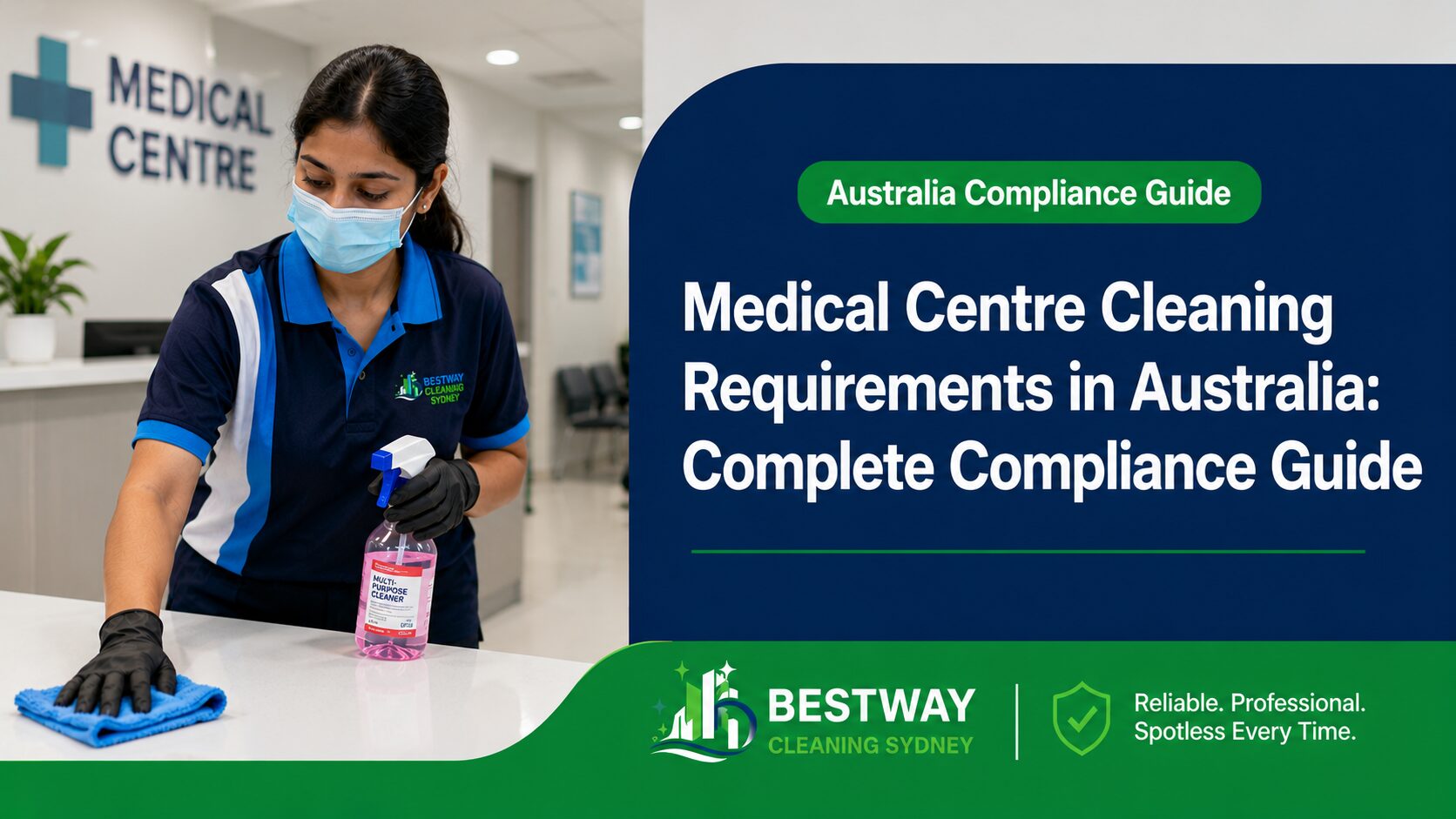
Medical Centre Cleaning Requirements in Australia
Medical centres are different from ordinary workplaces. Every day, patients, doctors, nurses, administrative staff, and visitors interact within the same environment. This constant movement increases the risk of bacteria, viruses, and other contaminants spreading throughout the facility.
Because of these risks, medical centres must follow higher cleaning and hygiene standards than most commercial properties.
Proper cleaning is not simply about maintaining a tidy appearance. It plays an important role in infection prevention, patient safety, staff wellbeing, and regulatory compliance.
This guide explains the key medical centre cleaning requirements in Australia and how healthcare facilities can maintain safe and hygienic environments.
Why Medical Centre Cleaning Is So Important
A medical centre serves people with varying health conditions. Some patients may have weakened immune systems, while others may be visiting because they already have infectious illnesses.
Without proper cleaning procedures, healthcare environments can become a source of cross-contamination.
Professional medical cleaning helps:
- Reduce infection risks
- Support patient safety
- Protect healthcare workers
- Maintain public confidence
- Improve workplace hygiene
- Support compliance requirements
- A clean medical environment demonstrates
professionalism and helps patients feel more comfortable during their visit.
What Makes Medical Centre Cleaning Different?
Many people assume medical cleaning is similar to office cleaning. While there are some similarities, healthcare facilities require a much higher level of attention.
Medical cleaning focuses heavily on:
- Infection prevention
- Surface disinfection
- High-touch area cleaning
- Waste management
- Cross-contamination control
Cleaning teams must understand healthcare environments and follow detailed procedures that reduce the risk of harmful germs spreading throughout the facility.
Key Areas That Require Regular Cleaning
Every part of a medical centre requires attention, but certain areas are considered higher risk due to patient interaction and frequent contact.
Reception Areas
Reception areas are often the busiest spaces within a healthcare facility.
Cleaning should focus on:
- Reception counters
- Waiting room furniture
- Door handles
- Payment terminals
- Shared surfaces
These areas experience continuous contact throughout the day and require regular sanitisation.
Consultation Rooms
Doctors and healthcare professionals examine multiple patients each day.
Cleaning procedures often include:
- Examination beds
- Desks
- Chairs
- Medical equipment surfaces
- Frequently touched areas
Consistent cleaning helps minimise the risk of contamination between patient visits.
Treatment Rooms
Treatment rooms require a higher level of cleaning because medical procedures may take place in these areas.
Cleaning may involve:
- Surface disinfection
- Equipment cleaning
- Waste removal
- Detailed sanitisation
These rooms often follow stricter cleaning schedules than general office areas.
Bathrooms
Medical centre bathrooms require frequent cleaning and sanitisation due to heavy daily use.
Cleaning tasks typically include:
- Toilet sanitisation
- Sink cleaning
- Floor cleaning
- Consumable replenishment
- Touchpoint disinfection
Well-maintained bathrooms contribute significantly to overall hygiene standards.
High-Touch Surfaces That Require Frequent Disinfection
One of the most important aspects of medical cleaning involves high-touch surfaces.
These are surfaces that multiple people touch throughout the day.
Examples include:
- Door handles
- Reception counters
- Light switches
- Lift buttons
- Chairs
- Handrails
- Electronic devices
- Shared equipment
Because these surfaces experience constant contact, they should be cleaned and disinfected frequently.
Infection Control and Medical Cleaning
Infection control is one of the primary objectives of healthcare cleaning.
Effective infection control practices help reduce the spread of bacteria, viruses, and other harmful microorganisms.
Key infection control measures often include:
Regular Surface Disinfection
Disinfection helps eliminate harmful pathogens that may remain on surfaces after routine cleaning.
Cleaning Between Patient Visits
Certain treatment and consultation areas may require cleaning between appointments.
Hand Contact Reduction
Maintaining clean high-touch surfaces helps lower contamination risks.
Proper Waste Disposal
Healthcare waste must be handled carefully to prevent exposure and contamination.
These measures help support a safer environment for both patients and staff.
Cleaning Frequencies for Medical Centres
The cleaning schedule for a medical facility depends on factors such as patient volume, service type, and facility size.
Daily Cleaning
Common daily tasks include:
- Vacuuming.
- Mopping
- Bathroom sanitisation
- Waste removal
- Surface cleaning
- Touchpoint disinfection
Daily cleaning forms the foundation of a medical centre’s hygiene program.
Weekly Cleaning
Weekly tasks may include:
- Detailed dusting
- Interior glass cleaning
- Furniture cleaning
- Equipment surface cleaning
These activities help maintain overall cleanliness throughout the facility.
Periodic Deep Cleaning
Deep cleaning is often scheduled monthly or quarterly.
Tasks may include:
- Carpet cleaning
- Upholstery cleaning
- High-level dust removal
- Detailed sanitisation
Deep cleaning helps address areas that may not be covered during routine cleaning visits.
Medical Waste Management Requirements
Waste management is a critical part of medical centre cleaning.
Healthcare facilities generate different types of waste that require appropriate handling.
Cleaning teams must ensure:
- Waste is removed regularly
- Bins are sanitised
- Collection areas remain clean
- Waste handling procedures are followed
Proper waste management helps maintain hygiene and supports safe workplace practices.
Common Medical Centre Cleaning Challenges
Healthcare facilities face unique cleaning challenges.
High Patient Traffic
Busy medical centres experience constant movement throughout the day.
This increases cleaning demands and requires regular sanitisation.
Shared Surfaces
Many patients interact with the same furniture, counters, and equipment.
Frequent disinfection helps reduce contamination risks.
Waiting Areas
Waiting rooms can become crowded during peak periods.
These areas require ongoing attention to maintain cleanliness.
Infection Prevention
Healthcare facilities must remain vigilant in reducing opportunities for bacteria and viruses to spread.
Why Professional Medical Cleaning Services Matter
Medical cleaning requires knowledge, consistency, and attention to detail.
Professional medical cleaning companies typically provide:
- Trained healthcare cleaning staff
- Detailed cleaning procedures
- Quality assurance programs
- Infection control awareness
- Structured cleaning schedules
Healthcare providers often rely on experienced cleaning teams to maintain high hygiene standards throughout their facilities.
Choosing a Medical Centre Cleaning Company
When selecting a medical cleaning provider, healthcare facilities should consider:
Experience in Healthcare Environments
Medical facilities require specialised cleaning knowledge.
Staff Training
Cleaning teams should understand healthcare hygiene requirements and infection control principles.
Quality Control Processes
Regular inspections help maintain cleaning consistency
Flexible Scheduling
Cleaning services should align with patient appointments and operating hours.
Choosing the right provider can help healthcare facilities maintain a clean and professional environment every day.
Benefits of Maintaining High Cleaning Standards
Medical centres that maintain strong cleaning standards often experience several benefits.
These include:
- Improved patient confidence
- Better workplace hygiene
- Reduced contamination risks
- Cleaner facilities
- Enhanced professional reputation
Patients are more likely to trust healthcare providers who maintain clean and well-presented environments.
Final Thoughts
Medical centre cleaning requirements in Australia are not the same as routine commercial cleaning. Professional Medical Centre Cleaning involves structured cleaning and sanitisation programs designed to support infection control, patient safety, and workplace hygiene.
From reception areas and consultation rooms to treatment spaces and high-touch surfaces, every area plays an important role in maintaining a safe and hygienic healthcare environment.
By following professional Medical Centre Cleaning practices and working with experienced healthcare cleaning providers, medical facilities can maintain cleaner, safer spaces that support both patients and healthcare professionals every day.
Looking for a Reliable Cleaning Company in Parramatta
Get professional cleaning services with trained staff, customised plans, and consistent quality.
Book Your Cleaning Service Today